How Big Is the Tokyo Imperial Palace? Size and Key Facts
Imperial Palace grounds Tokyo: about 115 hectares total, 12 moats and a 21-hectare East Garden, which is less than a fifth of the whole site.
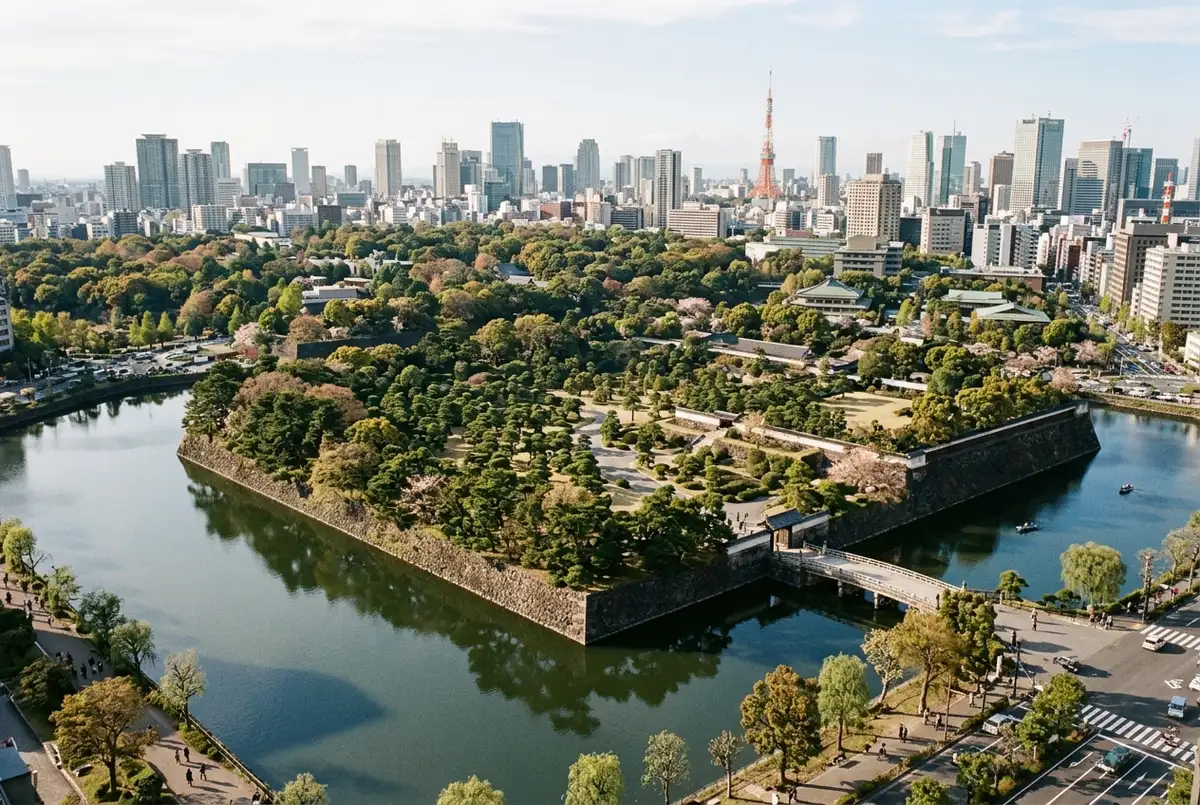
The Imperial Palace grounds cover about 115 hectares, roughly a square kilometer ringed by 12 moats; the East Garden most visitors walk through is only about 21 hectares, under a fifth of the whole site.
 Imperial Palace East Gardens Walking Tour From $6.26 · Cheapest guided walk See dates
On this page 7 sections
The Imperial Palace grounds are bigger than most visitors expect, and the part you actually walk through on a typical visit is a small slice of that. I’d keep the two numbers below separate in your head, because quoting one when you mean the other is the most common size claim I see repeated online.
Where the grounds sit
Open in Google MapsHow large is the Imperial Palace?
About 115 hectares, a little over a square kilometer. The full Kokyo Gaien grounds cover about 115 hectares, confirmed by a separate Japan Tourism Agency page describing the same site as a little over a square kilometer, which works out to roughly 160 soccer pitches.
The grounds in numbers
Source:Ministry of the Environment, JapanHow many moats surround the Imperial Palace?
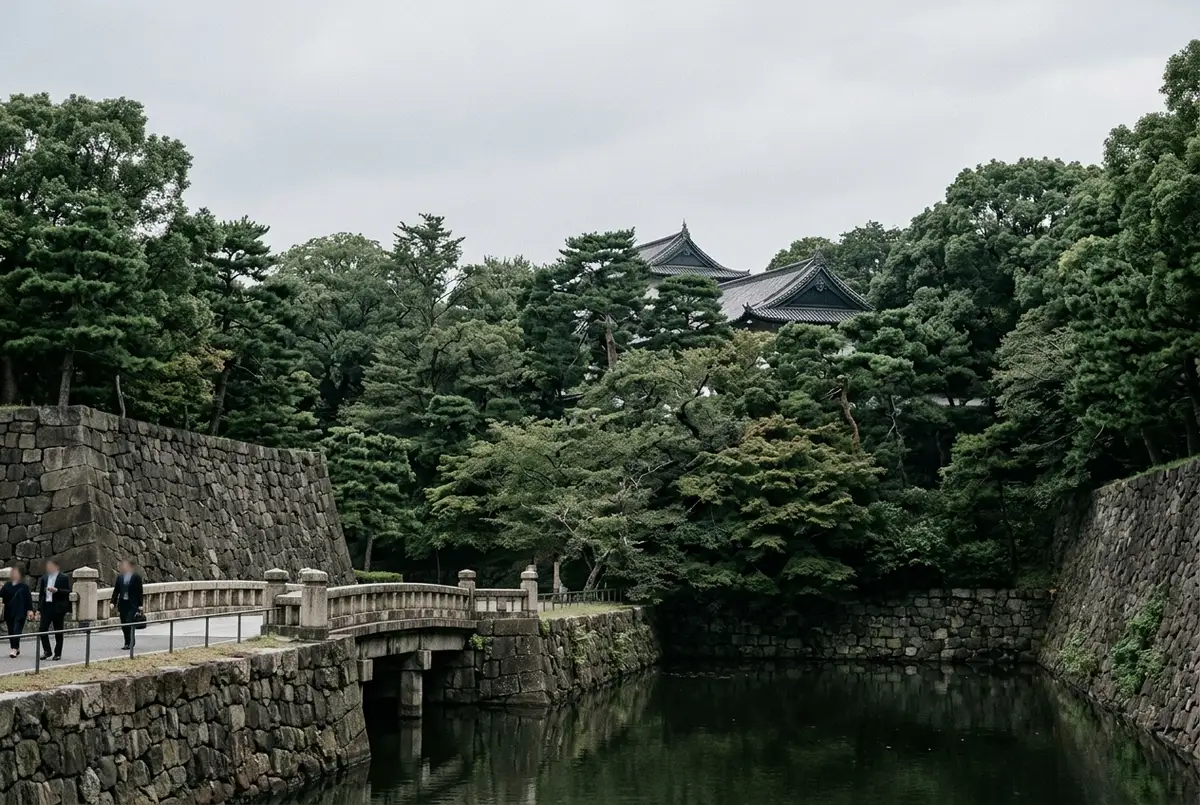
Twelve, holding a lot of the total area. Twelve moats ring the grounds, with their combined water surface covering about 37 hectares, close to a third of the entire 115-hectare site.
How big is the Imperial Palace East Garden?
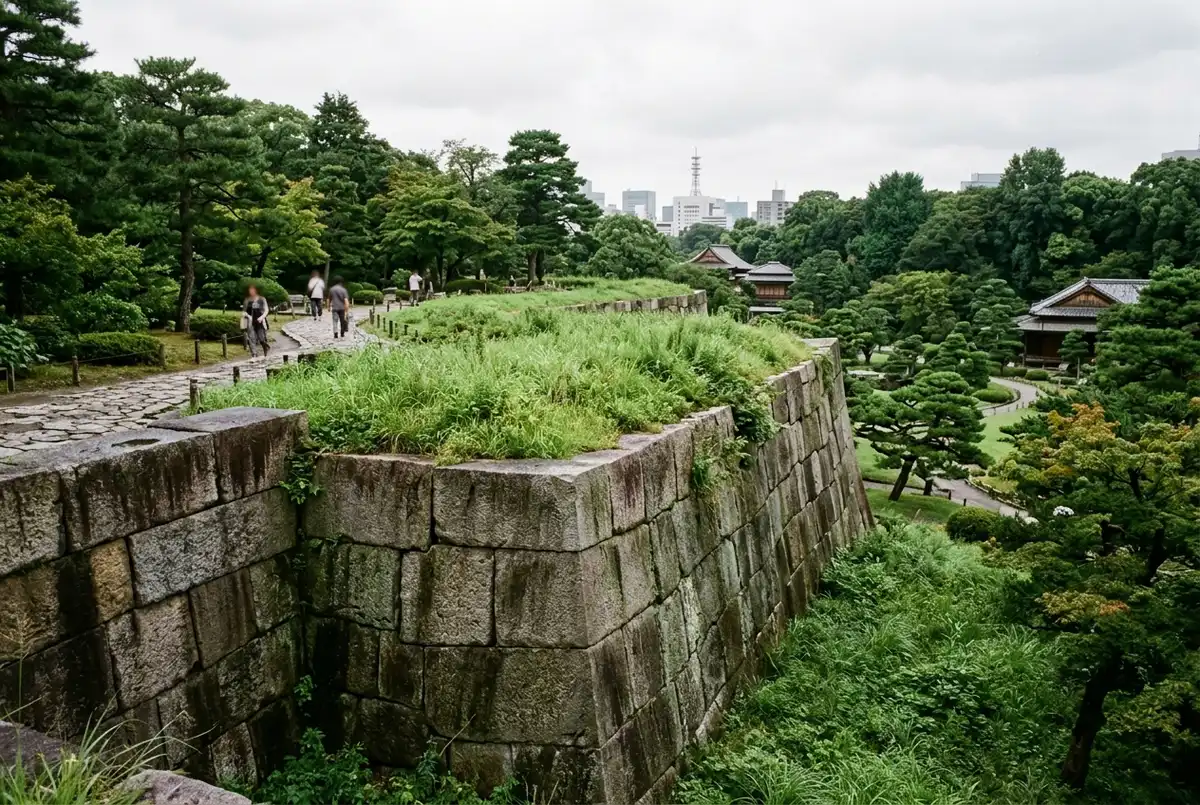
About 21 hectares, far smaller than the whole site. The East Garden covers 210,000 square meters, about 21 hectares, and has been open to the public since October 1968.
Is the Imperial Palace bigger than the East Garden?
Yes, by a wide margin. The East Garden’s 21 hectares make up less than a fifth of the full 115-hectare Kokyo Gaien grounds, so a visit there only covers a small slice of the whole site.
Say you’ve just spent an hour walking the East Garden and feel like you’ve “seen the palace.” You haven’t, not really: that 21-hectare garden is under a fifth of the full 115-hectare grounds. I’d weigh adding the 5-kilometer moat loop to see the rest from outside before deciding you’re done for the day.
| Area | Size | Opened to the public |
|---|---|---|
| Full Kokyo Gaien grounds | ~115 ha | 1949, in stages |
| East Garden | ~21 ha | October 1968 |
| Kitanomaru district | Part of the 115 ha total | April 1969 |
| 12 moats (water surface) | ~37 ha | Always visible, not enterable |
What is included in the Imperial Palace grounds?
Four named parts, plus the moats. The grounds combine the Kokyo Gaien plaza in front of the palace, the Kitanomaru district to the north, the 12-moat ring, and the East Garden, together making up the old Edo Castle site.
“a park in central Tokyo, covering a little over a square kilometer”
Japan Tourism Agency · source
How did the Imperial Palace grounds get so large?
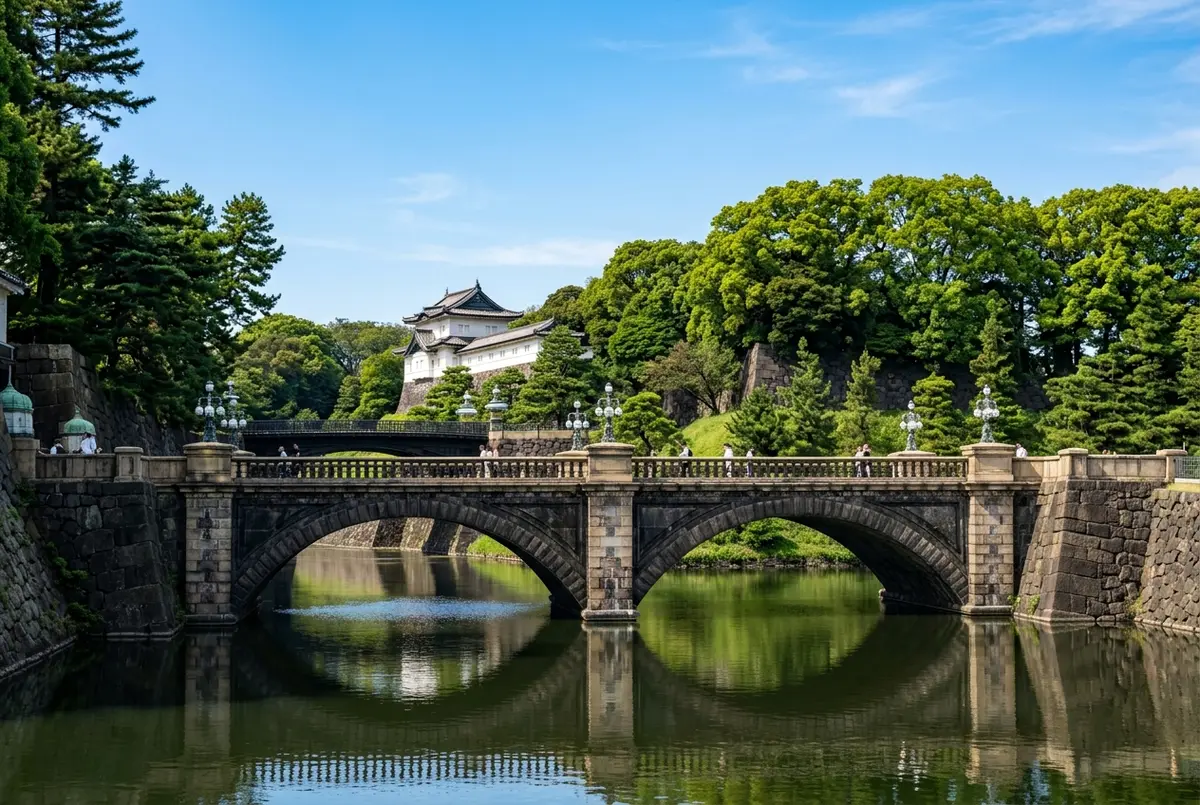
They started as a castle, and the shoguns kept expanding it. The site began as Edo Castle, built in 1457 and expanded by the Tokugawa shogunate from 1603 to 1867 into the largest castle stronghold in Japan, before a fire in 1873 destroyed most of the remaining buildings.
For the fuller story of that castle and what’s left of it, see Edo Castle and the history of the Imperial Palace. For the gates that connect these districts, see the map and gates page, and for the public spaces inside this total area, see the grounds and gardens overview.
Questions
How many hectares is the Imperial Palace?
The full grounds cover about 115 hectares. The East Garden that most visitors actually walk through is only about 21 hectares of that.
When did the East Garden open to the public?
It opened on October 1, 1968. The broader Kokyo Gaien grounds had already opened in stages starting in 1949.
How long is the moat loop walk around the Imperial Palace?
The popular perimeter running route around the moats runs about 5 kilometers. It covers most of the outer edge of the 115-hectare grounds.
What was on the Imperial Palace grounds before it became a palace?
Edo Castle, the Tokugawa shogunate’s seat of government, stood on this same site. It held that role from 1457 until the 1868 Meiji Restoration.