Imperial Palace, Royal Palace or Edo Castle? Getting the Names Right
Royal palace Tokyo is the Imperial Palace: why Japan has no 'royal' palace, and how to tell it apart from the Akasaka Palace.
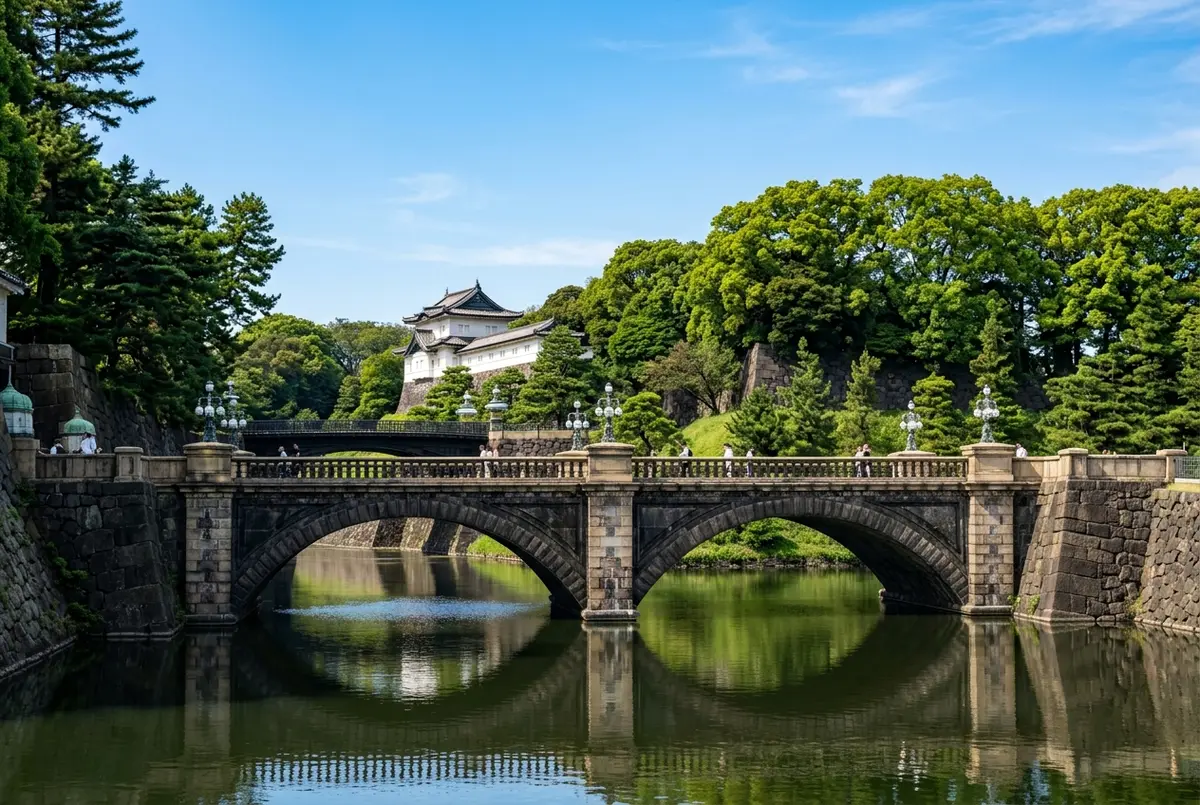
'Royal palace Tokyo' and 'Imperial Palace Tokyo' are the same place. Japan has an emperor, not a king, so there is no separate royal palace: the site you want is Kokyo, in central Chiyoda Ward, not the Akasaka Palace across town.
 Imperial Palace East Gardens Walking Tour From $6.26 · Cheapest guided walk See dates
On this page 5 sections
“Royal palace Tokyo” points to the Imperial Palace, not a separate building. Japan’s monarch is an emperor, so there is no royal palace in the strict sense, and search engines that use the word “royal” are describing the same moated grounds in Chiyoda Ward that everyone else calls the Imperial Palace.
Two sites, two names
Source:GO TOKYO and State Guest House, Akasaka PalaceIs there a royal palace in Tokyo?
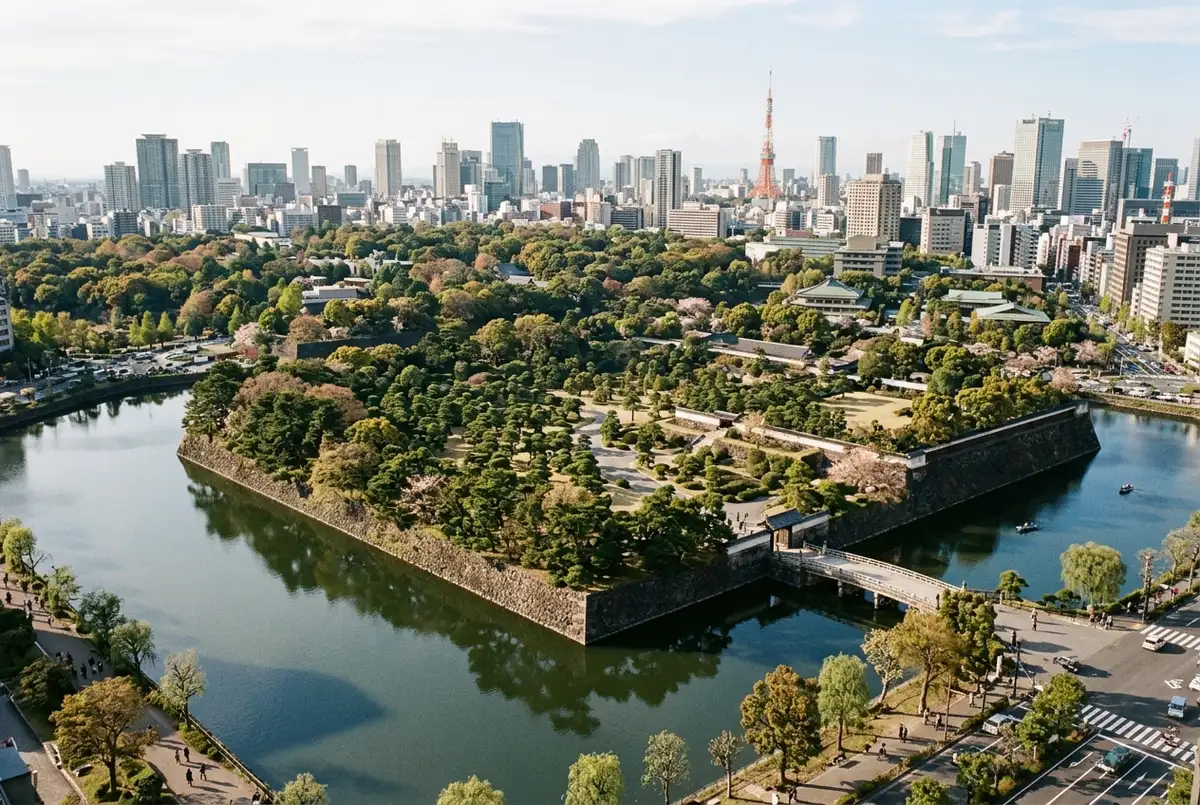
No, not by that name. Japan has an emperor, not a king, so anyone searching “royal palace Tokyo” is looking for the Tokyo Imperial Palace, known in Japanese as Kokyo, a short walk from Tokyo Station in central Chiyoda Ward.
Travel guides sometimes use “royal residence” loosely in English copy, which is where the confusion starts. There is only one site here, and it is imperial, not royal.
What is the Imperial Palace called in Japanese?
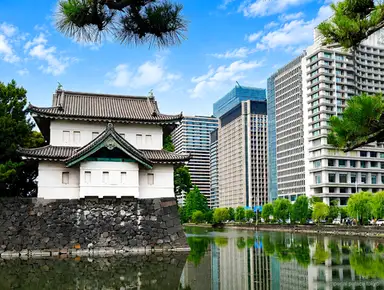
It is called Kokyo. This is the current name for the site that was once Edo Castle, now sitting in the heart of Chiyoda Ward, close enough to Marunouchi’s office towers that you can see both from the same bridge.
If a source calls it “Chiyoda imperial palace” or “emperor palace Tokyo,” that is this same Kokyo, just described by its ward or its resident rather than its formal name.
How did Edo Castle become the Imperial Palace?
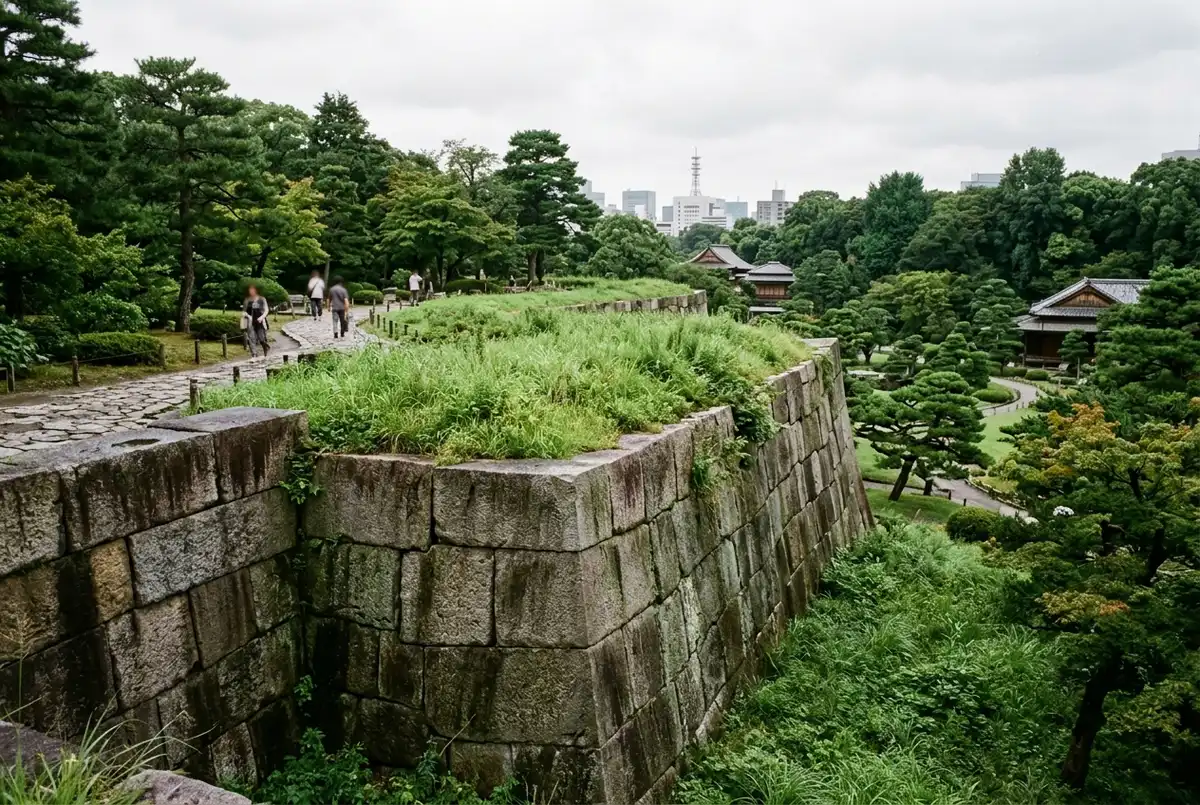
The palace stands on the site of the former Edo Castle, the Tokugawa shoguns’ seat of power. It became the Imperial Family’s permanent home in 1869, after the fall of the shogunate, and the grounds now cover about 1.15 square kilometres inside their ring of moats and stone walls.
For the fuller story of that transition, the Edo Castle and Imperial Palace history guide walks through what fire and war left behind, and the Imperial Palace guide collects the rest of the visit details.
“Opened as the State Guest House”
State Guest House, Akasaka Palace, 2017 · source
Is the Akasaka Imperial Palace the same place?
No. Say you booked something called a “royal palace Tokyo” tour online and now worry it might actually be about a different building in Akasaka. It is not the same site, and checking the address on your booking settles it in seconds: Chiyoda Ward means the real Imperial Palace, while Moto-Akasaka in Minato-ku means the other one.
The Akasaka Palace was built as the Crown Prince’s Palace, completed in 1909, several kilometres away in Moto-Akasaka, Minato-ku. Its ownership later changed hands entirely: the buildings were transferred to the Japanese government in 1948 and reopened in 1974 as the State Guest House, the building Japan now uses to host visiting heads of state. It is a different site, under a different authority, with a different modern role from the Tokyo Imperial Palace.
| Site | Location | Built | Current role |
|---|---|---|---|
| Tokyo Imperial Palace (Kokyo) | Chiyoda Ward, central Tokyo | Edo Castle site; Imperial home since 1869 | Emperor’s residence and offices |
| Akasaka Palace / State Guest House | Moto-Akasaka, Minato-ku | Completed 1909 as Togu Gosho | State Guest House since 1974 |
I’d treat the two names as unrelated once you see the different wards: Chiyoda for the grounds and gardens you’ll actually visit, Moto-Akasaka for the state guest house. And if a page tells you who currently lives at the Imperial Palace, that is also about Chiyoda, not Akasaka.
Questions
How big is the Akasaka Palace site?
The Akasaka Palace, now the State Guest House, sits on a site of about 120,000 square metres in Moto-Akasaka, Minato-ku, built in a neo-Baroque style.
When did the Akasaka Palace become the State Guest House?
Its buildings and land passed from the Imperial Household to the government in 1948, and the property reopened as the State Guest House in 1974.
How large are the Tokyo Imperial Palace grounds?
The Imperial Palace grounds in Chiyoda Ward cover about 1.15 square kilometres, including the moats, gardens and ceremonial buildings most visitors see.
Where exactly is the Tokyo Imperial Palace located?
It sits in central Chiyoda Ward, a short walk from Tokyo Station, with the full address and station details in our getting-there guide.