The Best Photo Spots at the Tokyo Imperial Palace
Tokyo Imperial Palace photos: the classic Nijubashi view, the climbable Tenshudai, and the rules on tripods and selfie sticks.
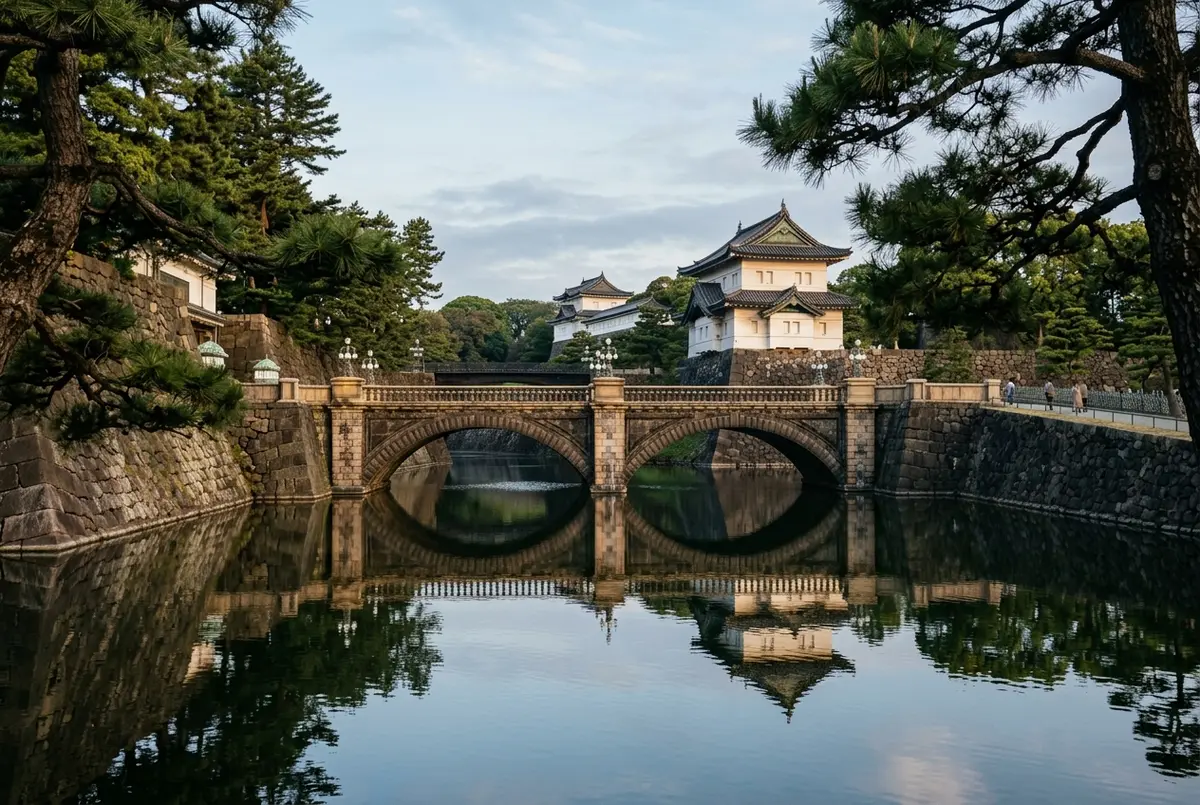
The classic Tokyo Imperial Palace photo is Nijubashi Bridge, shot from outside the moat since the bridge itself is normally closed. Inside the East Gardens, the climbable Tenshudai foundation gives the best elevated view.
 Imperial Palace East Gardens Walking Tour From $6.26 · Cheapest guided walk See dates
On this page 6 sections
Tokyo Imperial Palace photos almost always mean one of two places: the Nijubashi Bridge view from outside the moat, or the quieter garden scenes inside the East Gardens. I’d plan for both, since each one tells a different story about the palace.
Getting to the photo spots
Open in Google Maps“considered a symbol of the palace and even Tokyo itself”
GO TOKYO · source
Where is the classic Nijubashi Bridge photo taken from?
From outside the moat, since the bridge is normally closed to walk-across. Nijubashi is considered a symbol of the palace and even Tokyo itself, and the view of the double bridge and stone walls is the shot most guides mean by Nijubashi photos.
Can you walk across Nijubashi Bridge for a closer shot?
Only on two days a year. The Main Gate opens to the public on January 2 for the New Year Greeting and February 23 for the Emperor’s Birthday.
If your trip happens to land on either date, that’s your one chance at the close-up shot most visitors never get. Any other day, the moat-side view is the real answer.
Photo spots by the numbers
Source:Chiyoda City Tourism AssociationWhat photo spots does the East Gardens offer?
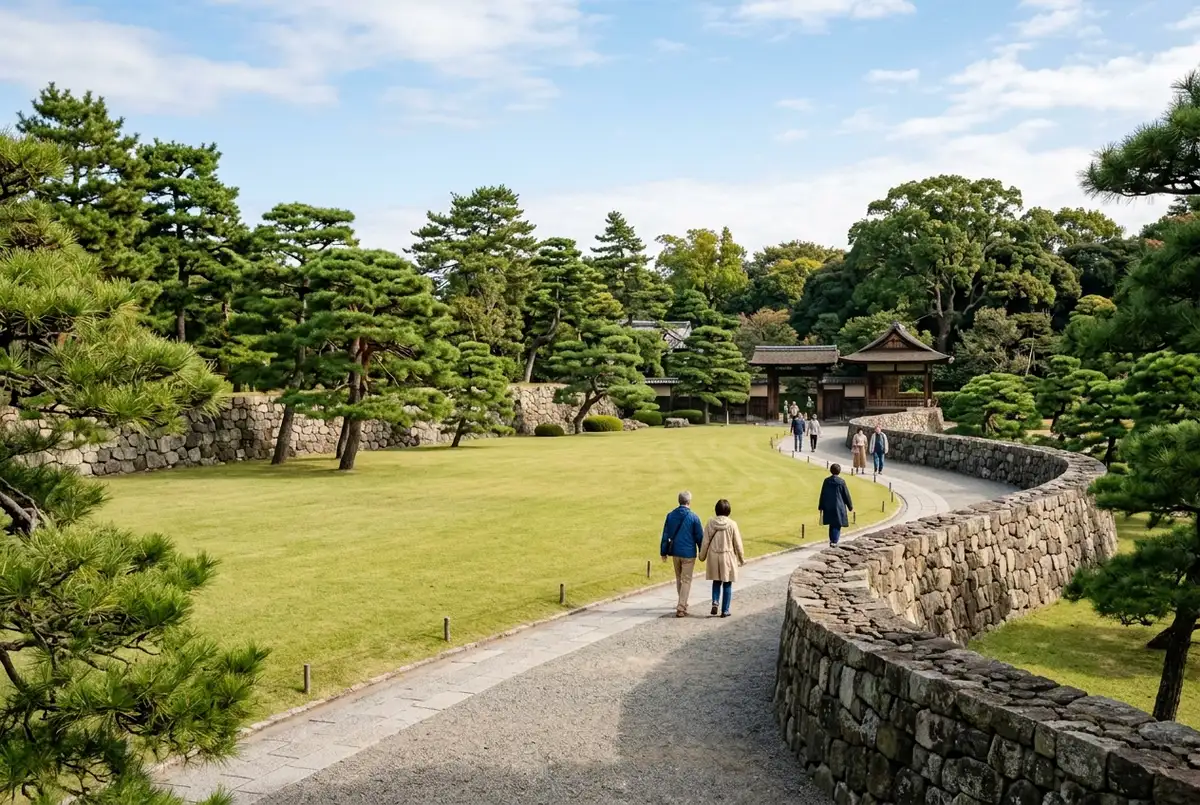
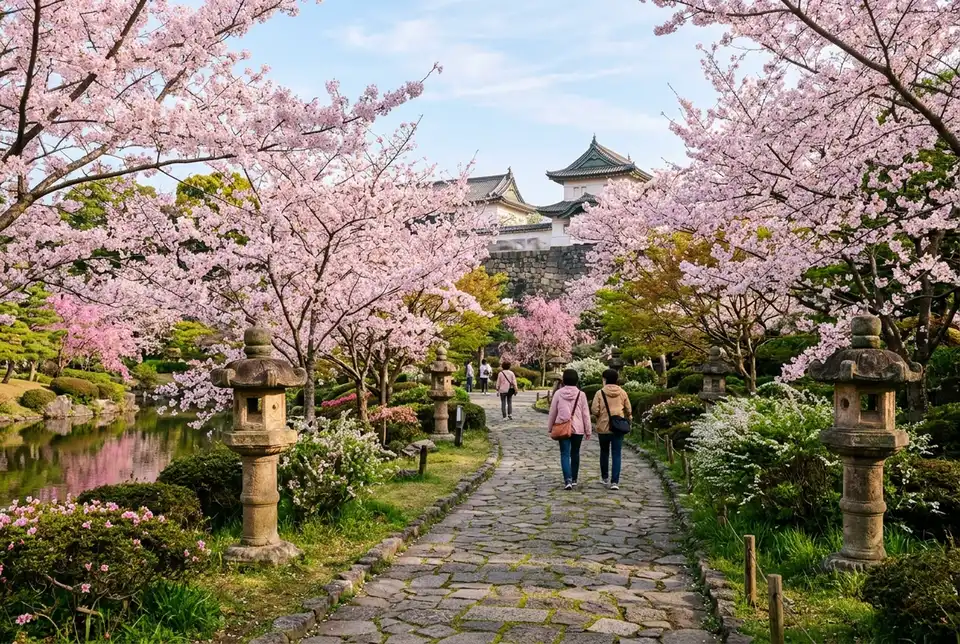
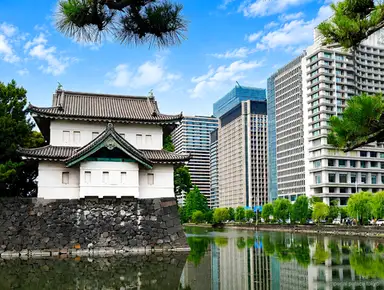
More than the bridge view. The climbable Tenshudai foundation overlooking the lawns, the Ninomaru Garden designed by Kobori Enshu, and the Fujimi-yagura turret, viewable from close range since 2016, all give different angles on the grounds.
| Spot | What it is | Access | Best for |
|---|---|---|---|
| Tenshudai | Former castle-tower foundation | Climb to the top | Elevated garden views |
| Fujimi-yagura | Three-story watchtower | View only, closer since 2016 | Architectural detail |
| Ninomaru Garden | Edo-period designed garden | Walk through | Seasonal planting shots |
Can you climb something for an elevated view?
Yes: the Tenshudai, the 11-meter stone foundation of the former castle keep, is open to climb and overlooks the East Gardens’ lawns.
Say you arrive right at opening time and head straight for the Tenshudai. You’ll get it in empty morning light, well before the crowds that gather at the Nijubashi viewpoint by midday.
Are tripods, selfie sticks or commercial filming allowed?
No. The Agency’s published rules for the grounds prohibit selfie sticks, tripods, stepladders and commercial photography or filming. A handheld camera or phone is the realistic option for any serious shoot here.
For the full list of what else is restricted on the grounds, see the dress code and visitor rules. And once you’ve got your shots, see the East Gardens page for hours and the rest of what to see there, or step back to visiting the Imperial Palace for the full trip plan.
Questions
How far is the East Gardens from Tokyo Station?
The East Gardens sit about a 15-minute walk from Tokyo Station’s Marunouchi North Gate, or five minutes from Otemachi and Takebashi stations.
Which gate should photographers use to enter the East Gardens?
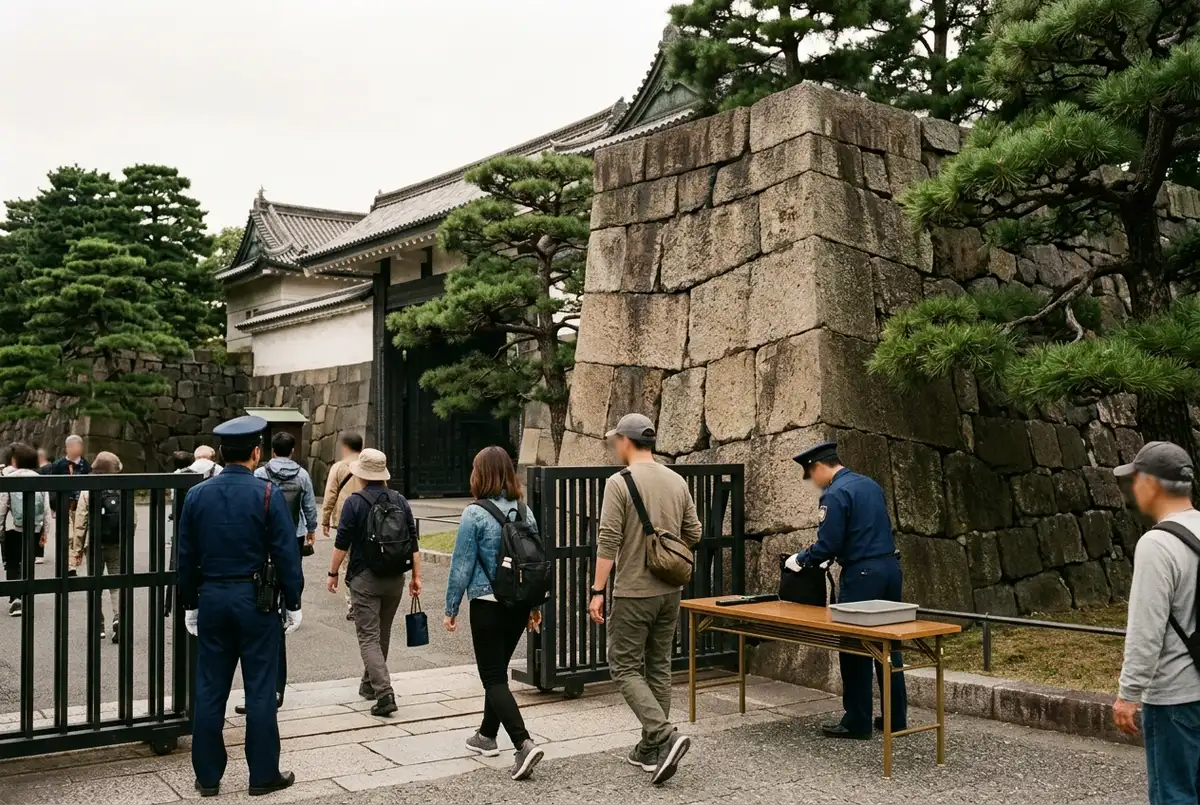
Any of the three entry gates work: Ote-mon, Hirakawa-mon or Kitahanebashi-mon, depending on which station you’re coming from.
When did Fujimi-yagura become viewable from closer range?
Since November 2016, visitors have been able to view the Fujimi-yagura turret from a closer distance than before.
What does the guided inner-grounds tour let you photograph?
The reserved tour passes the Mt. Fuji-view Keep area and the Lotus Moat and crosses Nijubashi, giving different photo angles than the East Gardens alone.