Chidorigafuchi: The Moat, the Rowboats and the Cherry Blossoms
Chidorigafuchi Park is the Imperial Palace's northwest moat: a 700-meter walk, seasonal rowboats and Tokyo's best-known cherry blossom tunnel.
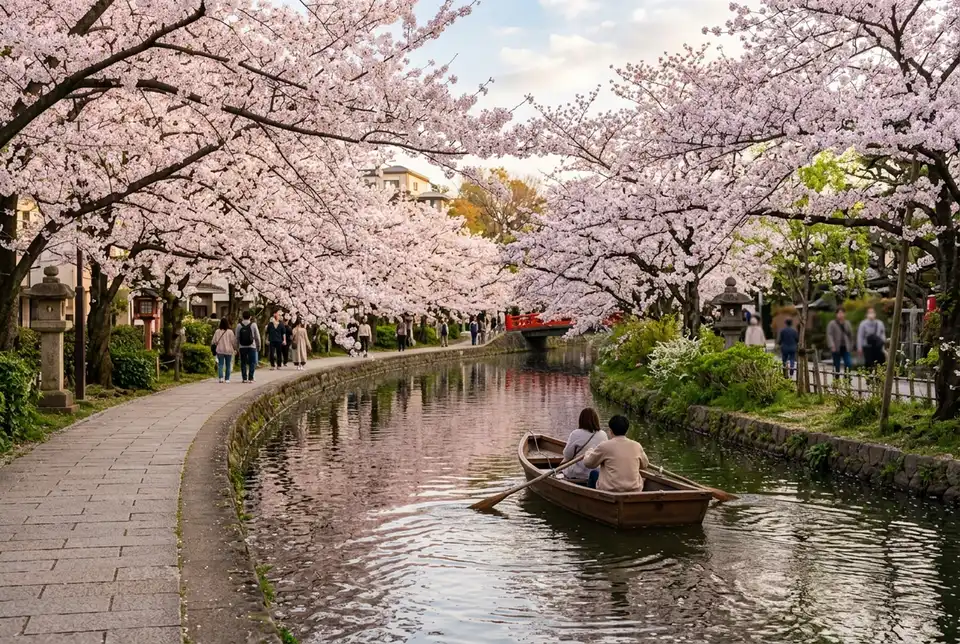
Chidorigafuchi Park is the Imperial Palace's northwest moat walk, a 700-meter path known for seasonal rowboat rental and Tokyo's best-known cherry blossom tunnel, lit up after dark during peak bloom.
 Imperial Palace East Gardens Walking Tour From $6.26 · Cheapest guided walk See dates
On this page 8 sections
Chidorigafuchi Park is a moat-side walkway on the northwest side of the Imperial Palace grounds, and it’s the one part of the palace’s perimeter most people come to specifically for cherry blossoms rather than history. I’d plan around the season, since what you find here changes a lot between March and December.
Where the Green Way sits
Open in Google MapsWhat is Chidorigafuchi known for?
A cherry blossom tunnel over the water. It’s a 700-meter green walkway along the Imperial Palace moat, and one of the top spots in Tokyo for viewing cherry blossoms, with rowboats on the moat below adding to the scene.
Chidorigafuchi in numbers
Source:GO TOKYO, Tokyo Convention & Visitors BureauHow long is the Chidorigafuchi Green Way?
About 700 meters along the moat. The walkway runs roughly 700 meters, reachable on foot in a few minutes from Kudanshita Station, so walking the full length only takes 10 to 15 minutes without stopping.
Can you rent a rowboat on the moat at Chidorigafuchi?
Yes, in season. The Chidorigafuchi Boathouse rents rowboats from March through November, ceasing during the winter months. During the cherry-blossom festival itself, boarding switches to a different system: 2026’s digital tickets ran one boat per hour at 12,000 yen, with up to 3 riders per boat. I couldn’t confirm an official year-round rate for boats outside that festival window, and the older 800/500-yen figures repeated on travel blogs don’t trace back to any current official page, so I’d check the boathouse on the day rather than budget around a number I can’t verify.
| Season | Booking | Riders per boat | Price |
|---|---|---|---|
| Standard (March to November) | Walk up at the boathouse | Not specified officially | Not confirmed officially |
| Cherry blossom festival | Digital ticket, limited sales window | Up to 3 | 12,000 yen per boat per hour |
Say you’re here on an ordinary spring weekday with no festival crowd. I’d weigh the rowboat fee against just walking the full 700 meters and watching rowers from the bank. The boat gets you a view of the cherry canopy from the water, but the Green Way itself gives you nearly the same blossoms for free.
When do the cherry blossoms bloom at Chidorigafuchi?
Late March into early April, typically. Peak bloom at Chidori-ga-fuchi Moat runs between late March and early April, when hundreds of sakura trees along the moat turn the walkway pink.
Can you see the cherry blossoms illuminated at night?
Yes, during the festival window. The trees are illuminated in the evening for after-dark strolls, and rowboat rides run alongside the lights. On festival weekends, the roads around the National Cemetery entrance also shift to one-way traffic to handle the crowds.
What is the Chidorigafuchi National Cemetery next door?
A government cemetery bordering the Green Way. Chidorigafuchi National Cemetery was established by the Japanese government in 1959 to hold the remains of unidentified Japanese servicemen and civilians who died overseas during World War II, on a site covering about 16,500 square meters. It sits right beside the boathouse, and its gate affects road access during the blossom festival, but it’s a memorial site rather than part of the sightseeing walk, so I’d treat a visit there as its own stop, not an extension of the cherry blossom stroll.
“Chidorigafuchi National Cemetery was established by the Japanese government in 1959”
Ministry of the Environment, Government of Japan · source
Is Chidorigafuchi free to visit?
Walking it is, yes. The Green Way and the moat view cost nothing to walk; only the rowboat rental carries a fee, and the National Cemetery has its own separate visitor rules.
Chidorigafuchi is one of four public spaces around the palace. For how it fits with the others, see the grounds and gardens overview, and if you’d rather keep moving than stop for the blossoms, the moat also feeds into the Imperial Palace running loop. For the best season to combine this with the rest of the grounds, see the best time to visit.
Questions
How do you get to Chidorigafuchi?
Kudanshita Station serves it directly, on the Tozai, Hanzomon and Toei Shinjuku lines. It’s about a 5-minute walk from there to the Green Way’s southern end.
Is Chidorigafuchi the same as the Imperial Palace moat?
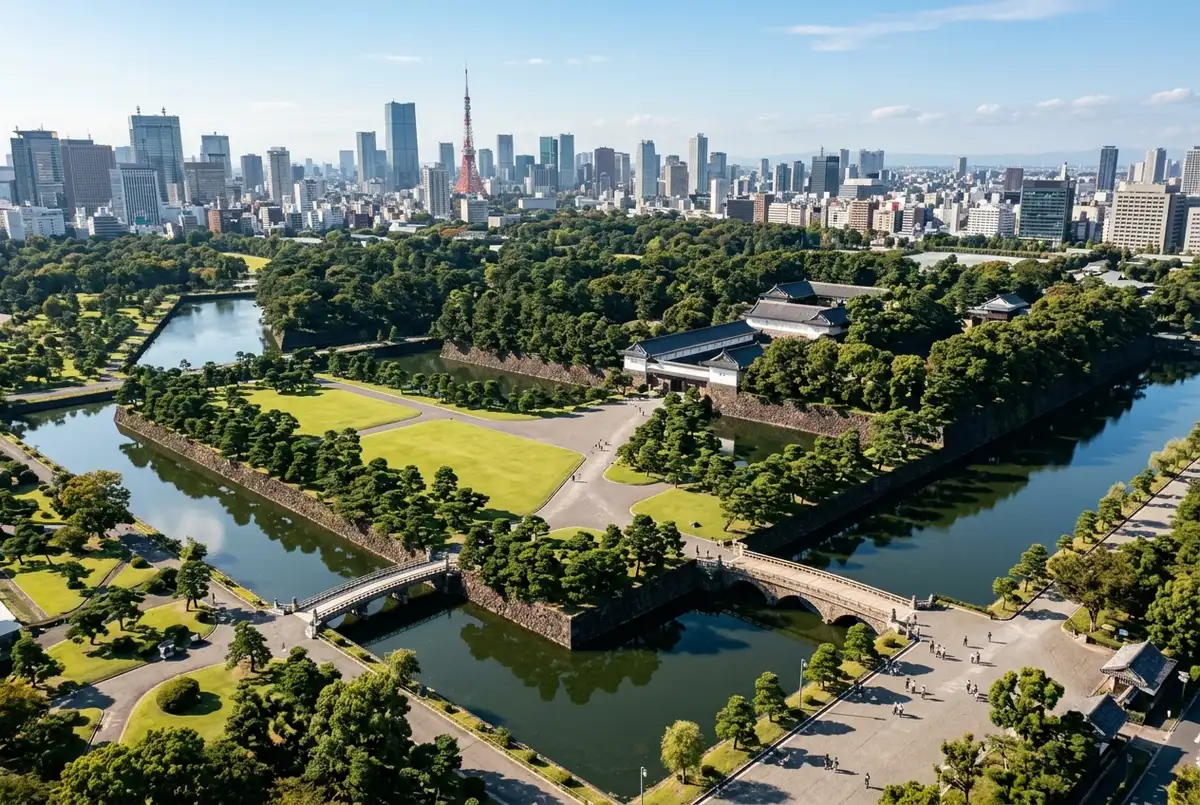
Not the whole moat, just one stretch of it. It’s specifically the northwest section facing Kudanshita, part of the palace’s wider moat system.
How many people can ride in a rowboat?
During the 2026 cherry-blossom festival ticketing, up to 3 people could ride per boat. Infants were counted toward that limit.
Is the National Cemetery part of the cherry-blossom walk?
No, it’s a separate memorial site next to the Green Way. It has its own gate and its own purpose, not a stop on the blossom route itself.